
PREPARATION... PROFESSIONALISM... PROVEN RESULTS
1st RC Flight School is the world's leading provider of professional radio control flight training. Our courses give both new and experienced pilots the opportunity to quickly acquire the skills that make RC flying far more rewarding, enjoyable, and safe. While many sources offer advice to pilots, only 1st RC Flight School has the proven experience teaching thousands of pilots how to enhance their flying skills in the least amount of time! We hope you like our site, and feel confident choosing 1st RC Flight School for all your training needs.
Primary Solo Course
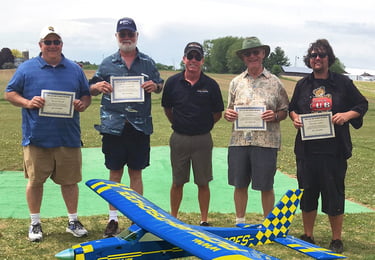
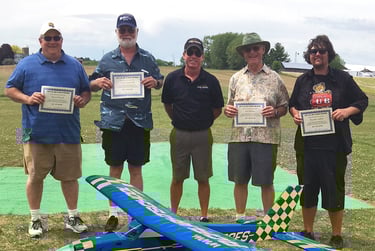
Concentrated 5-day Primary Solo Course
The fundamental techniques that all proficient fliers use are brought to the forefront and systematically assembled to enable beginning RC pilots to achieve Solo in the shortest amount of time. Bypass common errors, improve landing consistency and limit the impact of wind by learning to proactively control what the plane does instead of reacting to it. All equipment provided.
$769.00
Aerobatic Courses
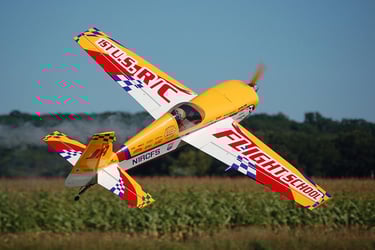
Concentrated 4-Day Aerobatic Courses
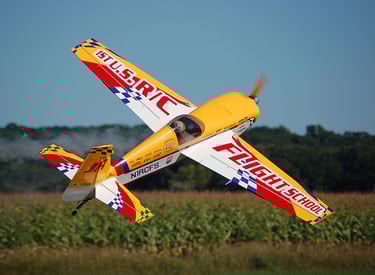
Sport, Precision, Advanced, Warbird and Jet Aerobatic Courses tailored to the skill level and goals of each participant. Learn the techniques used by the elite 1% of fliers who control the plane rather than merely react to it. Replace bad habits with proficiency. Make fewer inputs and experience the freedom to think ahead of the plane. Build a foundation for greater long term success and enjoyment of the sport. All equipment provided.
$769.00
Flight Training and Airplane Setup Manuals
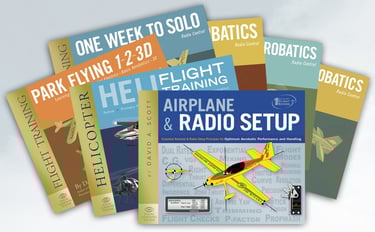
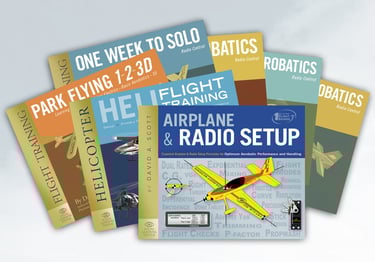
These books feature the flight training and setup techniques developed during the professional instruction of thousands of RC pilots all skill levels. Hundreds of illustrations and control stick diagrams guide pilots step-by-step through each phase of becoming a better pilot with efficiency and confidence. The perfect guides to ensure that the habits learned during your simulator practice translate into greater actual success at the flying field.
$14.95-$24.95
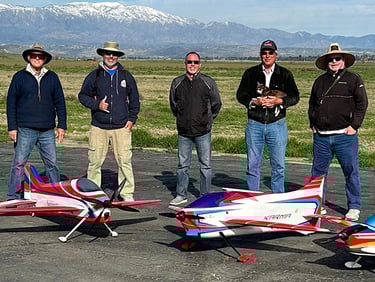
Travel Flight School
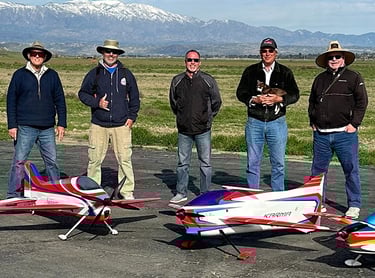
Between October and March, the world's most experienced RC flight instructor is available to teach sport aerobatics, precision aerobatics, warbird or jet aerobatics at your field on your own airplanes. Imagine all that you could accomplish when receiving professional instruction targeting your specific needs and goals on the site where you fly all the time.
$TBD
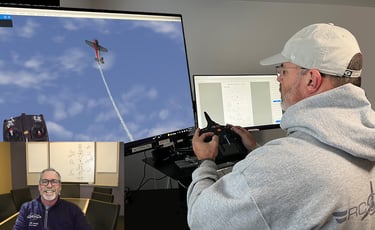
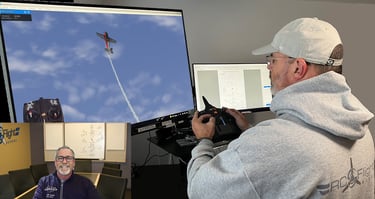
Remote Flight Training
Receive personalized private flight instruction in the comfort of home. Since the successful execution of each maneuver often rests upon just a few key steps performed correctly (it's perfecting them that takes time), remote instruction is a highly effective way to learn the essential techniques that ensure you get the most out of your stick-time.
$30 / 30 min.
Multirotor Drone Flight Academy
Commercial Drone Flight Academy services business, media, government and education professionals who value the importance that proper training has on long term productivity.
$TBD
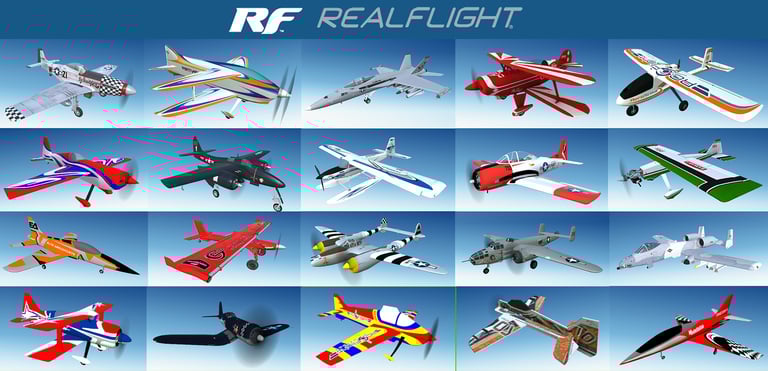
Optimized RealFlight Planes
1st RC Flight School is pleased to share over 300 RealFlight plane variants optimized to fly exactly like the real thing for free! These hyper realistic planes will amplify both the potential of your simulator and yourself and ultimately set the stage for greater real-world success.
New for 2026


"The week gave me a solid foundation to expand my skills to planes that now include jets and war birds. I very much recommend Dave Scott and his classes."
Michael Carson. Wausau, WI
"I cannot be more positive about the course. There was no other way for me to advance my skills so quickly. I no longer react to the plane. I anticipate what I want the plane to do. My flying has vastly improved and I am having more fun flying than ever."
Ken Weddell. Fremont, MI
"I honestly cannot think of a way to make your program better. You tailored a program to my specific needs, and I exceeded what I thought I could do. The icing was getting to fly in wind and the confidence that it is not as hard as others make it look."
Robert Delaurentis. San Diego, CA
"I would readily suggest your course to people like myself whose schedules do not permit sustained weekend after weekend flying to build proficiency. The 5 days I spent with you represented several summers worth of regular training."
Jeffrey Steinberg. Chessnut Hill, MA


Follow Us on